 01371 290070
 Email Us
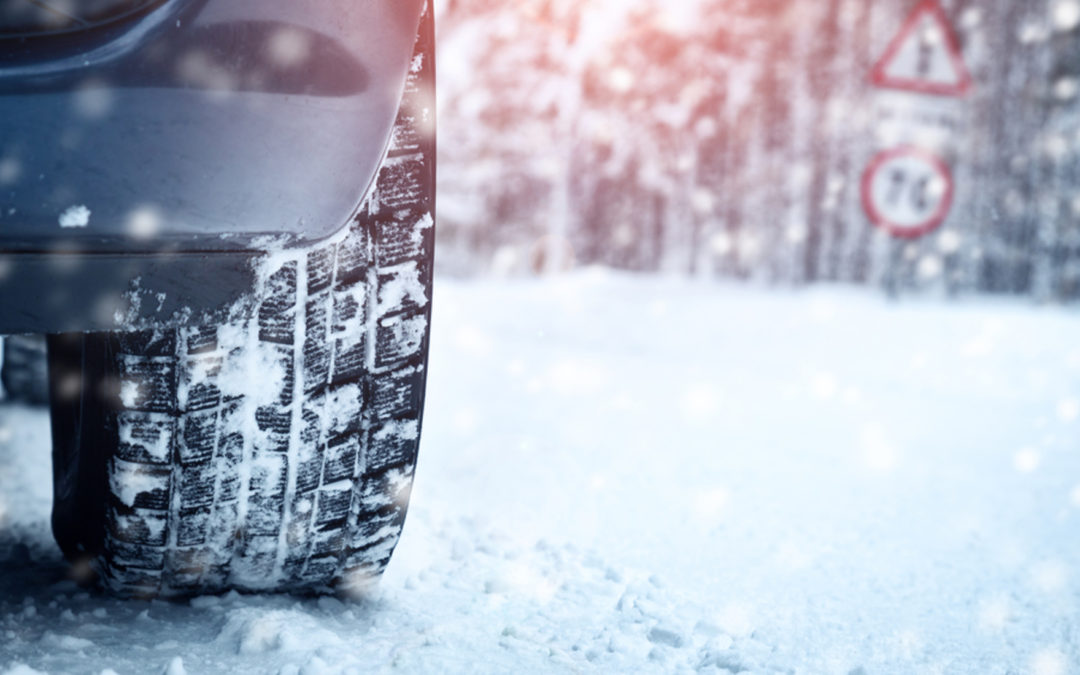
As the nights draw in and temperatures start to fall, now is the ideal time to start preparing your car for winter driving. Icy mornings, heavy rain and the odd snowfall all put extra strain on your vehicle, and a few simple checks now can save you a breakdown, or worse, an accident later in the season.
At Taylor’s Service Centre, we get asked every year how to prepare your car for winter driving properly, so we’ve pulled together this complete 2026 guide. It covers the pre-winter checks worth doing at home, what our technicians look at during a winter service, and practical winter driving tips to help you stay safe once the cold weather sets in.
Why Winter Preparation Matters
Cold weather doesn’t just make driving less pleasant, it changes how your car performs. Engine oil thickens, battery capacity drops, tyre pressures fall, and shorter daylight hours mean you’re driving in low light or darkness far more often. Combine that with icy or wet roads and stopping distances that can be ten times longer than on a dry surface, and it’s easy to see why breakdowns and accidents both spike between November and February.
The good news is that most winter-related problems are entirely preventable. A proper pre-winter check, paired with a few adjustments to how you drive, makes a real difference to how safe and reliable your car is over the coming months.
The Essential Pre-Winter Car Checklist
1. Tyres and Tread
Tyres are your only contact with the road, so they matter more in winter than at any other time of year.
- Check tread depth is comfortably above the 1.6mm legal minimum — for winter conditions, 3mm gives noticeably better grip.
- Check tyre pressures regularly, as cold air causes pressure to drop.
- If you regularly drive on rural, icy or snow-affected roads, consider winter or all-season tyres rather than relying on standard summer rubber.
2. Battery Health
Cold weather is the number one cause of winter breakdowns, and a weak battery is usually to blame. Batteries lose capacity as temperatures fall, and the extra load from heaters, lights and demisters only makes things worse. Get your battery tested before the cold weather arrives rather than waiting for a morning it won’t start.
3. Lights & Visibility
With darkness falling by mid-afternoon, working lights aren’t optional.
- Check headlights, brake lights, fog lights and indicators are all working and clean.
- Replace worn wiper blades before they start smearing rather than clearing.
- Top up screen wash with a proper winter-strength fluid that won’t freeze on the glass.
4. Fluids & Antifreeze
- Check your coolant/antifreeze mix is correct for the temperatures you’re likely to face — too weak a mix and it can freeze, damaging the engine.
- If your handbook specifies a winter-grade oil, get this changed ahead of the cold snap.
- Brake fluid and power steering fluid should be checked and topped up as needed.
5. Heating, Defrost and Demist
A misted or frosted windscreen is one of the most common causes of poor visibility in winter. Make sure your heating and demisting system is working efficiently, and don’t rely on a small hand-cleared patch of glass, always fully clear the windscreen and all windows before setting off.
6. Brakes & Suspension
Winter roads are harder on brakes and suspension, with grit, salt and standing water accelerating wear. Have your brake pads, discs, fluid and suspension components checked so you know your car can stop and handle as it should, even in poor conditions.
7. Winter Emergency Kit
Even with the best preparation, it’s worth keeping a few essentials in the car in case you’re delayed or stuck:
- Ice scraper and de-icer
- A warm blanket or extra layers
- A torch with working batteries
- A basic first-aid kit
- High-visibility vest and warning triangle
- Water and a few snacks
Winter Driving Tips: How to Drive Safely in Winter
Preparing the car is only half the job. How you drive matters just as much, and a few adjustments to your habits will make winter journeys significantly safer. Here are some essential winter driving tips worth building into your routine:
- Slow down. Icy and wet roads need far greater stopping distances, so reduce your speed even if the road looks clear.
- Increase your following distance. Leave at least double your normal gap to the car in front, more on ice.
- Avoid harsh acceleration, braking and steering. Smooth, gentle inputs help your tyres keep grip on slippery surfaces.
- Use higher gears on slippery roads. In a manual car, easing off in a higher gear reduces the risk of wheel spin, and avoid setting off in 2nd or 3rd gear on ice.
- Watch for low winter sun. Glare combined with a frosty or wet road surface can catch drivers out, especially at sunrise and sunset.
- Check the weather and plan your route. A few minutes checking road and weather conditions before you leave can help you avoid the worst of it, and always allow extra time for winter journeys.
- Following this kind of winter driving advice consistently, rather than just when conditions look obviously bad, is what actually keeps you safe. Ice and standing water aren’t always visible, so it pays to drive with caution as a habit through the colder months.
Driving in the Snow: Tips for Snow Driving
Snow brings its own set of challenges, and even confident drivers can get caught out. If you’re heading out in snowy conditions, these snow driving tips are worth keeping in mind:
- Pull away gently in a higher gear to avoid wheel spin on packed or fresh snow.
- Brake early and gently, using engine braking where possible rather than relying on the brake pedal alone.
- Stick to cleared or gritted routes where you can, and avoid unnecessary journeys if snow is heavy or forecast to worsen.
- Keep your speed low and steady. Sudden changes in speed or direction are far more likely to cause a skid.
- If you do start to skid, ease off the accelerator and steer gently into the direction of the skid rather than braking hard.
- Only travel if necessary. If conditions are severe, the safest option is often to wait until roads have been cleared or gritted.
Combining sensible snow driving technique with a car that’s properly prepared, good tyres, working lights, a clear windscreen, gives you the best possible chance of a safe journey when snow does arrive.
Why Choose Taylor’s Service Centre for Your Winter Check?
At Taylor’s Service Centre in Great Dunmow, we offer comprehensive winter service packages covering tyres, batteries, fluid levels, brakes, lights and diagnostics, everything covered in this checklist, carried out by experienced technicians using genuine equipment and quality parts. As an independent garage, we’re able to deliver the same thorough winter check you’d expect from a main dealer, without the main dealer price tag.
If you’d like to book a winter check ahead of the colder months, call us on 01371 290070 or email info@taylorscentres.co.uk. We’ll get you booked in before the worst of the weather arrives.

How do I prepare my car for winter driving?
Start with a pre-winter check covering tyres, battery, lights, fluids and brakes, then top up antifreeze and screen wash with winter-grade fluid. Booking a winter service with a garage like Taylor’s covers all of this in one visit, along with a check of components that are harder to inspect yourself, such as brake condition and suspension.
What are the most important winter driving tips?
Slow down, increase your following distance, and avoid harsh braking or steering inputs, as these are the habits that make the biggest difference to safety on cold, wet or icy roads. Checking the weather before you travel and allowing extra time for your journey are also worth building into your routine.
How do I stop my car skidding in the snow?
Drive smoothly, avoid sudden acceleration or braking, and keep your speed low on snow or ice. If you do start to skid, ease off the accelerator and steer gently in the direction of the skid rather than braking hard, which can make a skid worse.
Why does my car battery struggle in cold weather?
Cold temperatures reduce a battery’s capacity while increasing the load from heaters, lights and demisters, which is why flat batteries are one of the most common winter breakdowns. Getting your battery tested before winter sets in is the best way to avoid being caught out.
Do I need winter tyres in the UK?
Winter tyres aren’t a legal requirement in the UK, but they do offer noticeably better grip in temperatures below around 7°C, not just in snow. If you regularly drive on rural or exposed roads, or in an area that sees frequent frost, winter or all-season tyres are worth considering.