 01371 290070
 Email Us
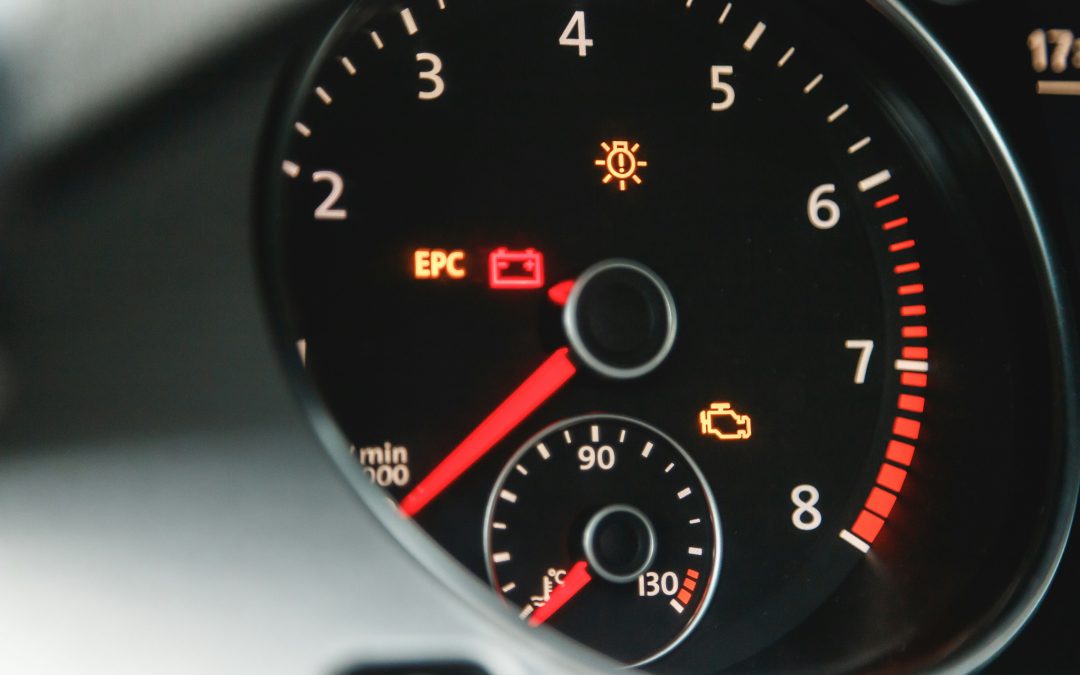
If you have ever been driving along and suddenly noticed a strange symbol light up on your dashboard, you will know how unsettling it can be. Car warning lights are there to help you, not to catch you out, but they can be confusing if you do not know what they mean. Some are simply a reminder, while others are telling you to stop the car as soon as it is safe to do so.
In this guide we will walk through car warning lights explained in plain English, look at how serious each one tends to be, and help you decide when a warning light on car dashboards means you should book your car in straight away, and when it can wait until your next service.
Why Dashboard Warning Lights Matter
Every modern car is fitted with a network of sensors that constantly monitor things like engine temperature, oil pressure, tyre pressure, battery charge and braking performance. When one of these sensors picks up something outside of its normal range, it sends a signal to the dashboard and a warning light appears.
Ignoring dashboard warning lights is one of the most common reasons small problems turn into expensive repairs. A light that seems minor today could be a sign of something that gets worse the longer you drive on it. On the other hand, not every light means disaster, so it helps to understand what you are looking at before you panic or, just as importantly, before you brush it off.
Understanding the Colour System
Most warning lights in the UK follow a simple colour coded system, and this is a good starting point whenever a new light appears.
Green or blue lights are simply letting you know that a system is switched on, such as your headlights or cruise control. These are not warnings at all.
Amber or yellow lights mean there is a fault that needs attention soon. Your car will usually still be safe to drive for a short period, but you should get it checked as soon as you reasonably can.
Red lights are the most serious. These indicate a problem that could affect your safety or cause serious damage to the car. If a red warning light appears, it is best to pull over safely and assess the situation before continuing your journey.
Keeping this traffic light system in mind will help you judge how quickly you need to act, even before you know the exact meaning of the symbol.
Common Car Warning Lights Explained
Every car is slightly different, but there are a handful of warning lights that appear across almost every make and model on UK roads. Here is what they mean and how seriously you should take them.
Engine Management Light
This is one of the most common warning lights and often causes the most worry simply because it looks like an engine symbol with no further detail. It can be triggered by something as minor as a loose fuel cap, or something more significant such as an issue with the emissions system, ignition or fuel supply.
If the light is steady, it is usually safe to continue driving carefully and book your car in for a diagnostic check soon. If the engine management light is flashing, this usually points to a more serious issue such as a misfire, and you should stop driving as soon as it is safe to do so, since continuing could cause damage to the catalytic converter.
Battery Warning Light On Car Dashboards
The battery warning light on car dashboards, sometimes shown as a battery symbol, indicates a problem with the charging system rather than the battery itself in many cases. This could be a failing alternator, a loose or worn drive belt, or a genuine battery fault.
This light should never be ignored. Your car is running on stored battery power alone when this light appears, and once that runs out you could be left stranded with a complete loss of power, including power steering and brakes assistance. If you see this light, it is sensible to head straight to a garage or book your car in as a priority.
ABS Warning Light
ABS warning lights relate to your anti lock braking system, which helps prevent your wheels from locking up under heavy braking, particularly useful in wet British weather. If this light comes on by itself, your normal brakes will usually still work, but you will lose the anti lock function, which can be dangerous in an emergency stop, especially on slippery roads.
If the ABS warning light appears alongside the main brake warning light, this is more serious and suggests a fault with the braking system as a whole. In this case you should get the car checked promptly and drive with extra caution in the meantime.
Brake Warning Light
A dedicated brake warning light, often shown as an exclamation mark inside a circle, can mean a few different things. It might simply indicate that your handbrake is engaged, or it could mean your brake fluid is low or your brake pads are worn.
If the light stays on after you release the handbrake, treat this as urgent. Braking is one area where you should never take chances, so if in doubt, get your car looked at the same day.
Oil Pressure Warning Light
Shaped like an old fashioned oil can, this light indicates that oil pressure has dropped below a safe level. This is different from a low oil level light, although both relate to the same system. Low oil pressure means your engine is not being properly lubricated, and continuing to drive can cause serious and expensive engine damage within minutes.
If this light comes on, the safest option is to stop the car as soon as you can do so safely and check your oil level. If the light does not go off, do not continue driving and arrange for the car to be recovered or seen by a mechanic.
Coolant Temperature Warning Light
This light, often shown as a thermometer symbol, warns that your engine is overheating. Common causes include low coolant levels, a faulty thermostat or a failing water pump.
Driving with an overheating engine can quickly lead to a blown head gasket or warped cylinder head, both of which are costly to repair. If this light appears, pull over when safe, allow the engine to cool before checking coolant levels, and avoid removing the cap while the engine is still hot.
Tyre Pressure Warning Light
Many cars now have tyre pressure monitoring systems as standard. This light means one or more tyres has fallen below the recommended pressure. It is usually not an emergency, but should not be ignored either, since underinflated tyres affect handling, fuel economy and tyre wear.
Check your tyre pressures as soon as convenient, including the spare if you have one, and top up as needed.
Airbag Warning Light
If this light stays on after starting the car, it usually means there is a fault with the airbag system, which could prevent the airbags from deploying correctly in an accident. While this does not affect how the car drives, it is a safety issue that should be checked promptly.
Power Steering Warning Light
This light indicates a fault with your power assisted steering. The car will still steer, but it may feel much heavier than usual, particularly at low speeds. This can catch drivers off guard, so it is worth having it looked at soon rather than leaving it.
What To Do When a Warning Light Appears
- Stay calm and check the colour of the light first, since this gives you an immediate sense of urgency.
- Refer to your vehicle handbook if you are unsure what a symbol means.
- If it is a red light, find a safe place to stop and assess the situation.
- If it is an amber light, plan to have the car checked within the next few days.
- Avoid continuing long journeys, particularly motorway driving, if a serious warning light is showing.
- Book your car in with a trusted local garage rather than guessing or waiting to see if the light goes away on its own.
When To Book Your Car In
As a general rule, any red warning light or a flashing light of any colour should be treated as something to act on straight away. Amber lights are a signal to book a check up soon, even if the car still feels fine to drive.
If you are ever unsure, it is always worth getting your car looked at by a qualified technician. Catching a small fault early is almost always cheaper and safer than waiting until it becomes a bigger problem, and it helps keep your car reliable for daily driving across the UK, whatever the weather throws at it.
If a warning light has appeared on your dashboard, the team at Taylors Service Centres can carry out a full diagnostic check and let you know exactly what is going on, with clear advice on what needs doing and how soon. Booking your car in early can save you time, money and unnecessary stress further down the line.
Frequently Asked Questions
Is it safe to drive with a warning light on car dashboards showing?
It depends entirely on which light it is. Amber lights generally allow you to keep driving carefully for a short time, while red lights or flashing lights should be treated as urgent and mean you should stop as soon as it is safe to do so.
What does it mean if my ABS warning light comes on by itself?
This usually means there is a fault with the anti lock braking system while your normal brakes continue to work. It is worth having this checked soon, since you will lose the anti lock function that helps prevent skidding during hard braking.
Why has my battery warning light on car come on while I am driving?
This usually points to a charging fault rather than the battery itself, often caused by a failing alternator or a worn drive belt. It should be treated as a priority since your car is running purely on stored power until it is fixed.
Can I ignore a dashboard warning light if my car still seems to be driving fine?
It is not recommended. Many warning lights appear before you notice any change in how the car drives, so by the time you feel a difference, the underlying issue may already have caused further damage. It is always best to get the light checked promptly.